Understanding Winter Road Challenges in Darlington
In the UK, winter road conditions can be unpredictable, posing numerous challenges to motorists. Darlington, a historic market town in County Durham, England, is no exception. The region is often subject to icy conditions, heavy snowfall, and freezing rain during the winter months. These circumstances can make driving quite treacherous, reducing visibility and traction, and increasing the risk of accidents.
The main challenge lies in the fact that standard tyres are not designed to perform optimally in these conditions. They tend to harden in lower temperatures, losing their grip and thus negatively affecting vehicle handling and braking. This lack of traction on slippery surfaces can potentially lead to skidding or sliding, especially on winding roads or during sharp turns, putting both drivers and pedestrians at risk.
Drivers in Darlington must hence, be adequately prepared to face these conditions. This involves not just adapting one’s driving style, but also ensuring that their vehicle is equipped with the right tyres. Winter tyres, specifically designed for colder temperatures and difficult weather conditions, are a crucial aspect of winter road safety in Darlington.
Choosing the Right Winter Tyres: A Comprehensive Guide
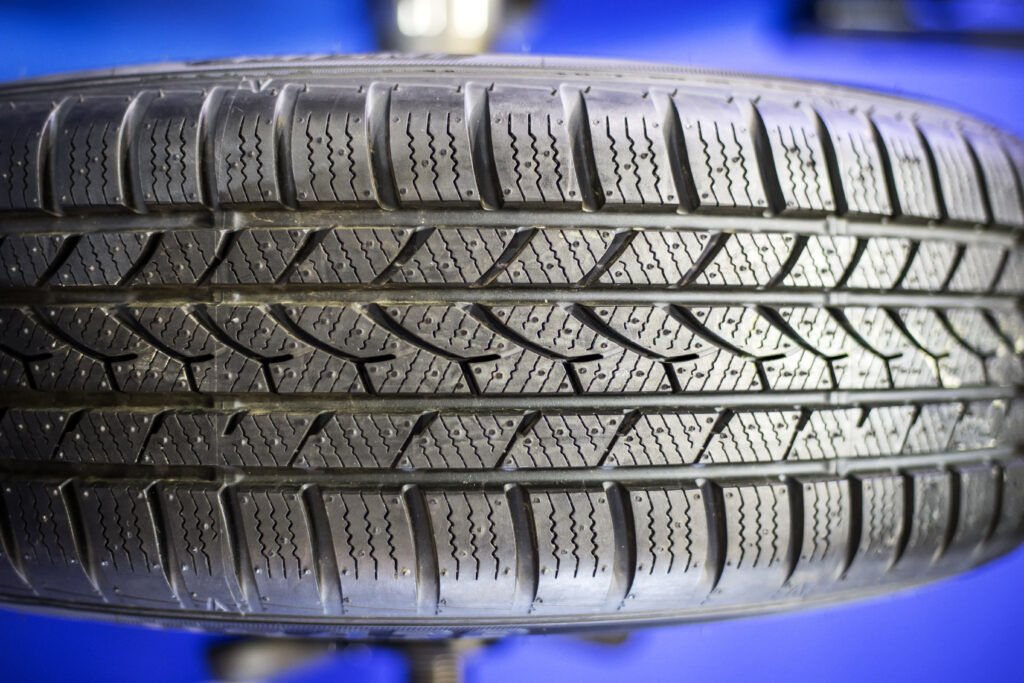
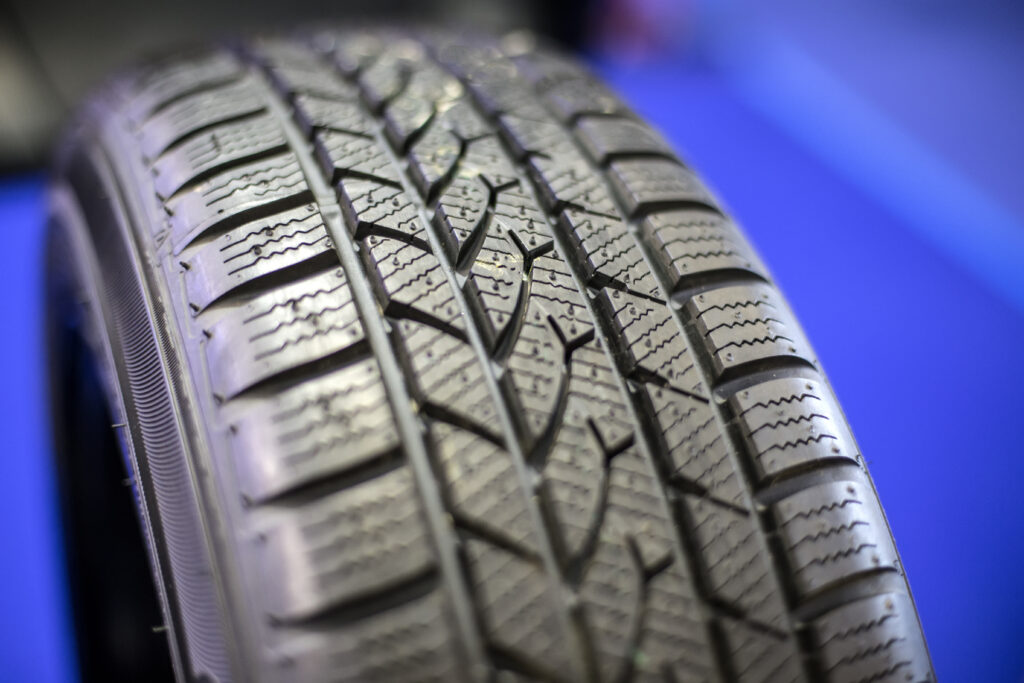
When it comes to choosing the right winter tyres, it’s important to consider features such as tyre compound, tread design, and tyre size. Winter tyres are usually made from a softer rubber compound which remains flexible in cold temperatures, thereby maintaining grip on snowy or icy roads. They also feature a special tread design with more sipes (small cuts in the tyre) to provide better traction and braking performance in winter conditions.
Tyre size is another crucial factor. It’s recommended to use narrower tyres in winter as they can cut through snow more effectively than wider ones. The profile of the tyre (height of the sidewall relative to the tyre’s width) should also be higher to cope better with snow and slush on the road.
The benefits of using winter tyres are clear: improved grip and traction, shorter stopping distances, and better vehicle handling. These contribute significantly to safer and more confident driving in challenging winter conditions.
Importance of Proper Tyre Maintenance during Winter
The change in weather conditions during winter makes tyre maintenance even more critical. Regular checks for tyre pressure, tread depth, and overall tyre condition are crucial for ensuring optimum performance and safety.
Tyre pressure tends to decrease in colder temperatures, which can affect the vehicle’s handling and fuel efficiency. Therefore, it’s recommended to check tyre pressure at least once a month. The tread depth should also be checked regularly, with the minimum legal limit in the UK being 1.6mm. However, for winter driving, a minimum of 3mm is advised for better traction.
Finally, general tyre condition should be monitored for any signs of damage, such as cuts, punctures, or bulges. Any damaged tyres should be replaced immediately to prevent sudden tyre failure while driving. With proper tyre maintenance, drivers can ensure their vehicle’s optimal performance and their own safety during the winter months.
Mastering the Art of Winter Driving in Darlington
Mastering winter driving in Darlington involves a combination of careful driving and thorough vehicle preparation. In addition to equipping your vehicle with winter tyres, it’s critical to adjust your driving style in accordance with the weather conditions.
This involves reducing speed, maintaining a safe distance from other vehicles, and avoiding sudden braking or acceleration. Slowing down while turning and avoiding high-speed lanes when possible can also help prevent skidding or sliding.
It’s just as crucial to ensure your vehicle is in good condition. Regular servicing can identify and fix any mechanical issues before they cause trouble on the road. Additionally, a well-maintained vehicle with properly inflated tyres, functioning lights, and sufficient coolant and antifreeze levels is less likely to break down or struggle in severe weather.
Expert Tips to Maximise Tyre Performance during Frosty Days
To maximise tyre performance during frosty days, there are several expert tips you can follow. Firstly, ensure your tyres are correctly inflated. Under-inflated tyres can overheat, while over-inflated ones can lead to decreased traction.
Secondly, check your tyre tread depth regularly. The deeper the tread, the better the tyre’s ability to remove water from the road, reducing the risk of aquaplaning.
Lastly, rotate your tyres every six months or 6,000 miles. Regular rotation helps even out the wear on your tyres, thereby extending their lifespan and improving their performance.
Case Studies: Road Safety Improvements with Winter Tyres
The benefits of winter tyres are not purely theoretical but have been demonstrated in numerous case studies. For instance, a study conducted by the British Tyre Manufacturers’ Association found that a car fitted with winter tyres stopped 11 metres shorter when braking at 20mph on icy roads, compared to standard tyres.
Another study by the German Automobile Club showed that, on snow-covered roads, vehicles equipped with winter tyres had a 25% better acceleration and a 28% shorter braking distance than those with standard tyres.
These findings provide compelling evidence of the significant improvements in road safety that can be achieved by using winter tyres.
Legal Aspects of Winter Tyre Usage in the UK
In the UK, there are no specific laws requiring the use of winter tyres during the colder months. However, the law does state that all vehicles must be ‘fit for purpose’, and this can be interpreted as requiring suitable tyres for the weather conditions.
Moreover, if a vehicle is involved in an accident and is found to have inadequate tyres, the driver could potentially be prosecuted for driving a vehicle in a dangerous condition.
Insurance companies may also refuse to cover damage caused in an accident if the vehicle was not equipped with suitable tyres for the conditions.